How can a parent improve a child's reading comprehension?


Clip Art from Phillip Martin
1. Provide books and other reading material.
2. Value reading time .
3. Read together with children of all ages.
4. Show that reading is about getting meaning.
1. Providing books and other reading material does not have to cost a lot or take a lot of time.
Ideas:
Go to the library and ask a librarian for help choosing books.
Order a magazine.
Check out an online news site for kids. Watch videos and read articles together. DOGO News
Go to used stores to find books for you and your kids at a huge discount!
Have books at home that your kids want to reread. Reading books more than once is good for early readers.
Read books for free online.
One of my favorite sites with free online books for kids is We Give Books.
Trade books with friends and family.
Listen to some audio books together in the car on road trips.
2. Value reading time for yourself and your children.
Ideas:
Find a good book for yourself. Have your kids see you reading.
Read some news stories aloud to your children or share the highlights.
Provide a quiet place and time in a busy schedule for reading.
Turn off the TV and computer and make time to be entertained by a book instead.
3. Read together with children of all ages.
Ideas:
Check out a page from my business website with advice by age for reading with children.
Skip a weekend movie and read an exciting chapter book instead.
Find a good book your entire family will enjoy and try to read it often until it's finished. I go through spurts of reading aloud to my family. When we have a book we like, we get together and read as much as possible. Then we take a break, and everyone reads their own books.
Listen to your child read to you or read to your child. I try to visit each of my three children when they are reading their chapter books in bed in the evening. I sometimes listen to them, or I read a chapter or so aloud to them from whatever book they are reading.
4. Show that reading is about getting meaning.
This is very important to me. I did not read for meaning as a child. Something was missing. I could read the words fine, but couldn't remember what I read. I wasn't a good reader and usually got to the end of a page without knowing what I read and would have to start over trying hard to concentrate. I didn't read for enjoyment until my late twenties. I couldn't connect or pay attention while reading. I avoided most assigned reading all through school. Attending college and my desire to be a teacher forced me to learn to connect to what I read.
Ideas:
Have conversations while reading books together. Make pictures in your heads. Talk about the meanings of confusing words. Words and their subtle meanings add the most to pictures in your heads and your understanding of what is happening in a story.
7 Keys to Reading Comprehension is my favorite book for parents and teachers to find ways to help readers of all ages read for meaning and understanding.


 by Dr. Suess to allow a child to practice the words WE, ME, HE, and NO. You will read the book to a child. Pause and point under WE, HE, ME, and NO at the beginning of sentences and when they are written in bold type at the top of the page. Make sure your child knows which words he or she is expected to read. Some children want to take over all the reading in a shared reading and get frustrated.
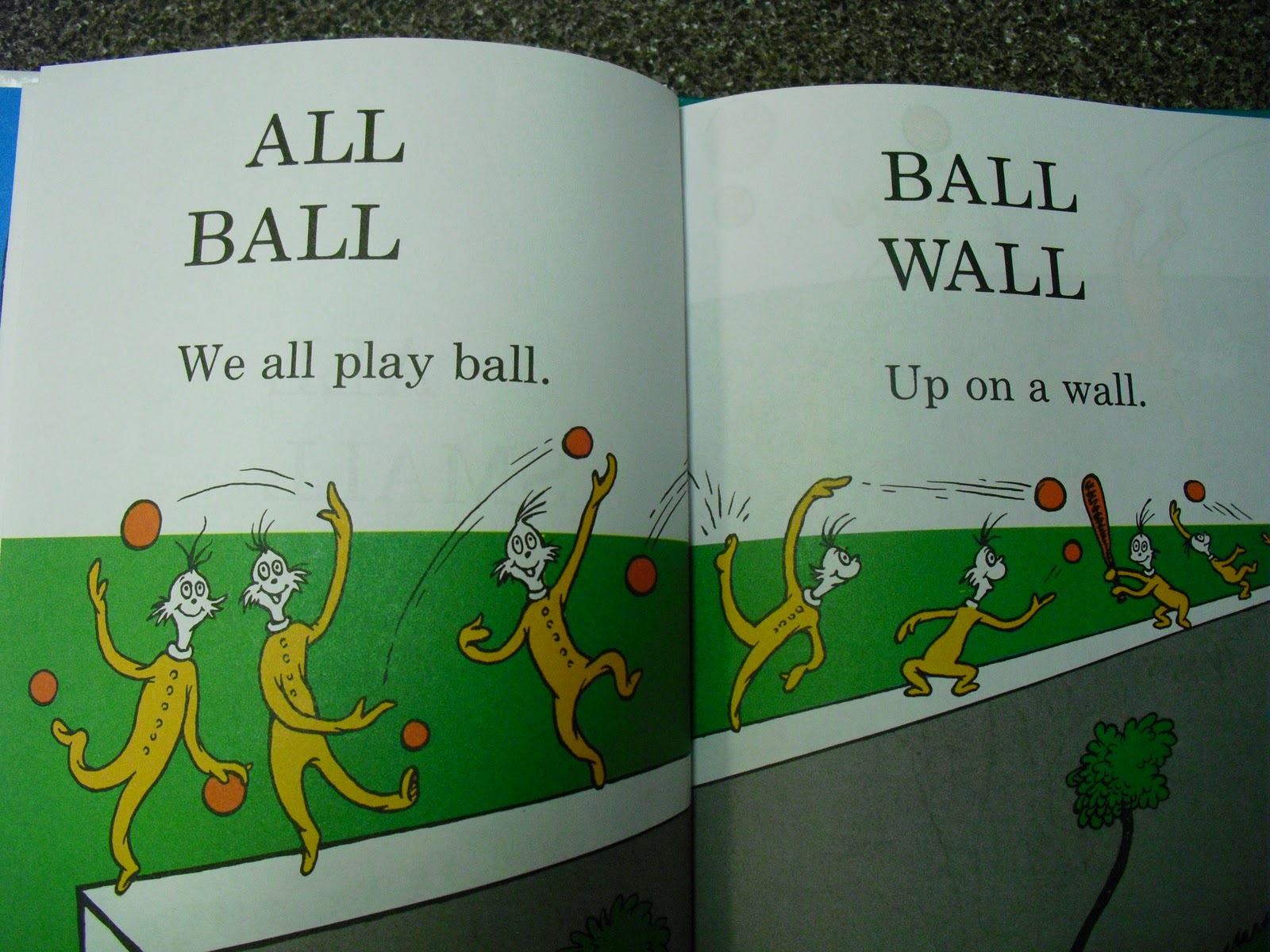


 is a fun lift the flaps book. An adult can point under the words in the story and read but stop and let the child read the when the word NO is pointed under.
 is a book children want to read again and again. It was a favorite in my house. An adult can share read this book, pause at the word GO, and let the child know to read the word GO when it is pointed under.


