It's so sad to see children who thought they knew how to read find out that they can't and need to find a new way to read. This happened to my daughter in first grade. It was challenging teaching her to change her way of reading.
Thursday
Teach Phonograms to Early Readers
It's so sad to see children who thought they knew how to read find out that they can't and need to find a new way to read. This happened to my daughter in first grade. It was challenging teaching her to change her way of reading.
Tuesday
Short Vowel Reading Practice Videos
Here are a few YouTube videos I've made for short vowel reading.
You will find the magnetic letters, magnetic easel, Starfall phonics books, Nora Gaydos phonics books, Reading Pathways, and Phonics Pathways from the videos here.
If you are finding helpful information here on this blog. Please share it with others and sign up with Feedburner in the side bar to get all new posts sent to your inbox.
Short Vowel Reading Practice Videos
Teach CVC Phonics Rule with Short u Words
Practice making the short u sound with a child. Make sure the child is able to make the correct sound. The C stands for consonant and the V stands for vowel. Explain which is which to a child.The CVC rule gives a new reader a clue to use a short vowel sound. I explain it this way. The vowel is all alone in the middle. The vowel is shy and makes a short sound instead of shouting his own name.
There are exceptions, but they usually follow a spelling pattern. (find, grind, old, cold, sold, told, wild, child, mild) I've found that vowels alone in the middle of consonants usually make a long sound next to a blend or two consonants together. These seem to be the rule breakers.
Here's a video of me teaching how to blend the sounds and read the words using magnetic letters.
Starfall has Gus the Duck and a word making game you may want to use to practice the short u sound.
Teach CVC Phonics Rule with Short u Words
Monday
Teach Phonics Rules with Magnetic Letters: A Vowel at the End of a Word or Syllable Usually Makes a Long Sound
Some work needs to be done with learning letter sounds first. You may be able to teach unknown letter sounds while working with magnetic letters.
The word no is a good first word to teach. The n and o sounds can be stretched out. You can teach the phonics rule: A vowel at the end of a word usually makes a long sound by teaching the words no, so, and go.
Here's a video teaching the words no, go, and so.
Continue to teach a vowel at the end of a word usually has a long sound with the words me, he, we, and she. Be sure to teach the sh diagraph. I'd start with the o and e words first when teaching this rule.
Advanced learners will want to know the long u sound is usually spelled with o or oo (to, do, too), the long a sound is usually spelled ay (day, way, play), and the long i sound is usually spelled with a y (my, try, shy).
This rule works if a vowel is at the end of a syllable. Knowing this rule helps early readers decode words. Here's a video showing how to use this rule when trying to sound out a more than one syllable word.
Teach Phonics Rules with Magnetic Letters: A Vowel at the End of a Word or Syllable Usually Makes a Long Sound
Teach Two Common Short Vowel Sound Rules
Many of the easiest words to read have short vowel sounds. There are a number of good phonics books available today for children to practice reading with short vowel sounds. We are not limited to boring phonics books of the past. Starfall has a few free online stories with short vowel sounds.I like to teach children phonics rules to decide if a word has a short vowel sound:
A vowel at the beginning of a short word will usually have a short sound:
at, an, and, in, is, it, on, up
A vowel all alone in the middle of a word will usually have a short sound:
can, ran, man, red, get, him, hit, hot, mom, run, fun
There are rule breakers for the vowel all alone in the middle rule, but they often follow a spelling pattern.
old - cold, hold, told, mold, sold
ild - wild, child, mild
igh - light, high, sigh
ind - find, grind, wind, rind
I like to teach rules and patterns, so readers can allow their brains to decode similar words. I also like to teach rule breakers, so a child can try to follow the rules and change a sound or two in a word to make it make sense while reading.
Beginning readers are just learning the rules to reading. Joanne Meier wrote an article for Reading Rockets called How to Read with a Beginning Reader that is a must read for anyone supporting a beginning reader.
Teach Two Common Short Vowel Sound Rules
Wednesday
Two Simple Phonics Rules to Teach a Child When to Use a Short or Long Vowel Sound
Generally when a vowel is at the end of a word or syllable the vowel will have a long sound, and when a vowel is alone between two consonants the vowel will have a short vowel sound. I like to say a vowel is a brave vowel at the end and will say its own name, and when a vowel is hiding between two consonants it is shy and says a short sound. This can be used with the two vowels together rule too. I say when a vowel has a friend it is brave too. The first vowel says its own name.Here's a video demonstration I created using magnetic letters showing two simple phonics rules.
Two Simple Phonics Rules to Teach a Child When to Use a Short or Long Vowel Sound
Tuesday
Teaching Short Vowel Sounds with Video Demonstrations
Short vowel sounds are often very hard for children to learn. It is easy to confuse one sound with another.1. One way for a child to hear the difference between short vowel sounds is to replace short vowel sounds for a vowel sound in a child's name. Here's a video showing how this is done.
2. Sometimes I play a game with hearing and saying short vowel sounds.
3. I like to show a child how changing a vowel sound can change a three letter word into a completely new word.
Teaching Short Vowel Sounds with Video Demonstrations
Monday
Teach Short Vowel Sounds with Free Online Books From Starfall
Learning short vowel sounds is an important step for beginning readers.
The most common patterns with short vowel sounds are CVC and VC.
The V stands for vowel and the C stands for consonant.
Starfall has free access to some books with animation and sound. If you move the mouse over the pictures you'll find spots to click. There will be an action that will help keep a child interested in reading the stories over and over. There are five books that focus on short vowel sounds. The free online versions allows a reader to click on a word for help if needed.
Here's one of the books I ordered from Starfall.
You can purchase a boxed set with Zac the Rat. The set includes 15 books.
You can find this set with short vowel sounds and some high frequency words in Starfall's online store.
My favorite resource books to teach phonic skills to children are Phonic Pathways: Clear Steps to Easy Reading and Perfect Spelling
Here are some pages from Phonic Pathways: Clear Steps to Easy Reading and Perfect Spelling that teach short vowel sounds.
Teach Short Vowel Sounds with Free Online Books From Starfall
Sunday
Use Wikki Stix to Teach Common Letter Combinations While Reading
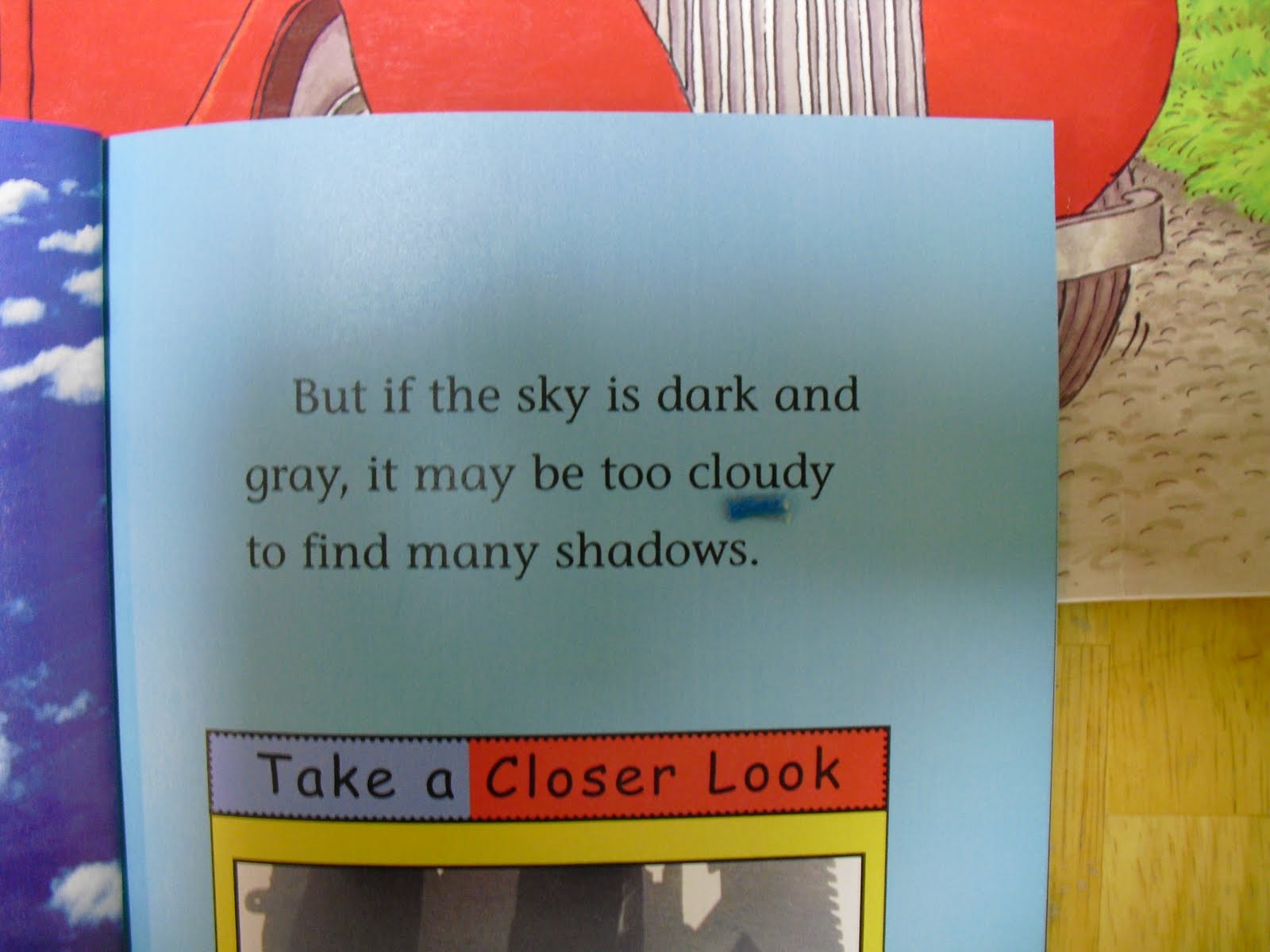
Wikki Stix can be cut and used to underline letter combinations in books you read outloud to a child. Turn any book into a phonics lesson! Books with glossy pages work best. Wikki Stix may leave a little color or rip a little paper if pressed on too hard or left on too long. I suggest you don't use Wikki Stix on library books, but the benefits of this activity may be worth a little damage to your own books.
Use Wikki Stix to Teach Common Letter Combinations While Reading
Thursday
Magnetic Letters Can Help a Child Learn to Read and Spell Early
A child can read and spell simple words with magnetic letters . I gave my own children access to magnetic letters before they could write letters. We had so much fun, and they felt so smart.
Start slow with fun words. We were able to connect sounds to letters. It is important for children to hear and make sounds for letters and groups of letters. It felt more like play than teaching and learning. We didn't have to use terms like short vowel and long vowel. My children started to see patterns of the English language in a natural way.
no, go
mom, dad
me, he, she
dog, cat
moo, boo
moo, moon
boo, boom
Play with these words. Model making the sounds for the letters as you make words. Have the child make the sounds for letters as he/she makes words.
After a child knows these words well. Try mixing up the letters for two or three words and have only those letters available on a table, floor, or magnetic surface. Example: n, g, o, o, e, m Ask the child to make the words: no, go, and me. Another example: n, g, d, o, o, o, g Ask the child to make the words: no, go, and dog.
When working with a very young child explain rules only if the child asks. This allows children to discover patterns for themselves. If the child starts to ask he/she is ready for the information you will give.
Here are some of the rules and patterns a child may learn from these words:
A vowel at the end of a word will make a long sound or say its own name.
A vowel trapped between two consonants will make a special short sound.
Sometimes two letters work together to make a new sound. (sh and oo)
Magnetic Letters Can Help a Child Learn to Read and Spell Early
Tuesday
Children's Books for Beginning Readers
Carefully selected books for beginning readers can increase confidence and produce success.
Are Phonics Books or Authentic Text Books Better For Beginning Readers?
Phonics Books Can Be Good and Not Good for Beginner Readers
Good: Reading phonics books gives a child practice paying attention to letter to sound relationships. The repeated phonics rules and patterns in phonics books give a child practice sounding out words. A child learns to pay attention to letter to sound relationships.
Not Good: However, if phonics books are the only books a child is given to read, there is a danger of a child becoming a word caller. Word callers are so interested in sounding out a word that they forget to think about the story. Some phonics books use unusual words or sentence structure to include similar sounds or phonics rules in one short story. When stories don't sound like how a person talks, many children aren't able to understand and enjoy the story. They become word callers, not readers.
Authentic Text Early Reader Books Can Be Good and Not Good For Beginner Readers
Good: Authentic Text or whole language books are stories written without attention to repeated phonics rules and patterns. Whole language books for early readers have simple language and are easy enough for a child to read most words. Many children learn a few sight words and can use sight word knowledge to help read these stories. There are strong picture clues and a flow of language that helps a child figure out difficult words. Many times a child is able to guess at a word. Children who read these stories are exposed to more words and real language.
Not Good: The problem with too many whole language books is that some children begin to rely on guessing at words, knowing words by sight, and ignoring letters instead of sounding out words. As a child gets older, books stop having as many picture clues. Books at higher levels have more and more words. Children can only memorize so many words before they need to start reading. Remembering a memorized word and reading a word using letter sounds requires a different part of the brain. Children are not able to pay attention to the story and keep switching back and forth. Some children figure out phonics and sounding out words without specific teaching or phonics books, but others don't. If you know a child who is guessing more than reading, please check out this page.
My favorite phonics based books are in a series written by Nora Gaydos called Now I'm Reading! Here's a video of my daughter reading a book from Now I'm Reading! On the Go Level 3Each set has 10 books that stay neatly organized in the plastic sleeves of a hardcover case with a magnetic closure. Books can be removed and replaced easily.
Children will love to practice their phonics knowledge, learn new sight words and use picture clues in these fun books with repeated language.
Brand New Readers Blue Set
Brand New Readers Purple Set
Brand New Readers Red Set
Starfall has free phonics books online with animations if you click on some of the pictures.
You might like I See Sam books.
Go to your local library and ask a librarian for help choosing books.
Children's Books for Beginning Readers
Friday
Letter Learning Websites
Starfall ABC - Find animations, videos, pictures, and sounds on this site.
Reading Bear - Reading Bear has links to videos and ideas to teach the alphabet.
There are some great alphabet books available. They range from simple to filled with content that interests older children. A parent could work on letter identification with a young child and read aloud a book to interest older siblings.
Letter Learning Websites
Monday
My Daughter's Path to Reading
My daughter had books read to her since she was a baby. Anytime during the day was storytime. Books were always around, and I read whenever my children asked. If things got crazy or my kids were fighting, I'd grab a book and read for calming down time. At night each of my three children would choose a book. The book chooser would sit on my lap. Their dad would read sometimes too.
My oldest son was reading before Kindergarten. He's eight now. My daughter has a twin brother. They are six now. My daughter was given the same attention as my boys. Reading for my oldest son was easy. He pretended to read stories at an early age. When my son started reading he made up words with the same beginning sound that would make sense. He gave up trying to read words when the sounds he tried didn't make a word. I showed him a few letter combinations like ou, oo, and ay. That's all I did. He mostly taught himself to read. My younger son got instruction at school and I taught him to look for letter combinations and read a word from beginning to end. Both my boys became strong readers without a lot of help.
Even though I'm a teacher I didn't want to put pressure on my children, so I followed their lead when it came to reading. I wanted to see how each child put the pieces of reading together in their own heads. I think my first son tricked me into thinking that children will teach themselves to read if they are read to enough.
I noticed my daughter wasn't as far along as her twin brother the summer before first grade, but I didn't worry. I figured with more instruction at school she would catch up. She knew her letter sounds and a number of sight words. (Plus it is hard for me to teach or tell my daughter anything.)
While watching my daughter read to me in the beginning of first grade a light went on. She was missing a piece to the reading puzzle, and I had to help her find it. It wasn't easy. My daughter thought she had it figured out and any help from me would just slow her down. I tried to show her to read words from beginning to end and match letter sounds to letters in words. She would grab the book away, roll on the floor, and say she knew how to read.
My daughter expected to know a whole word by sight, guess at a word based on pictures, or see if the word made sense in the sentence. These are all good reading behaviors, but she didn't know how to combine the phonics part and read a word from beginning to end. I knew this, because everytime she tried to figure out a word she looked in the air instead of at the word.
Showing my daughter this skill while she read a book was impossible, so I taught her with Phonics Pathways
We started with simple words matching her eyes to the letter sound she produced. It helped that my daughter knew her short and long vowel sounds. I also taught her the most common phonic patterns. (CV, CVC, VC) We later moved into more difficult phonic patterns. (silent e rule, two vowels, common letter combinations)
Slowly we began reading books at her level together and transfered the skill of reading a word from beginning to end matching letters to sounds. She uses all her reading skills in combination now and is becoming a fluent reader. My daughter has become a reading machine. She reads on the floor with her dog everyday. Sometimes she challenges herself to read every book in her book box.
My Daughter's Path to Reading
Friday
Making Sense R Controlled Words
Make a chart and add words with r/vowel combinations that rhyme with the combination in each example word. This tool can be used while reading or writing. The lists can be read by a beginning reader to improve word recognition and spelling of words with r/vowel combinations.
her air car or ear
Starfall has a sorting game for ar, or, and ir at http://www.starfall.com/n/sorting/r-controlled/load.htm?f .
Check out this VIDEO http://www.youtube.com/watch?v=vPrmrHWXbKc&feature=grec
Making Sense R Controlled Words
Wednesday
Phonemic Awareness, Phonics, Fluency, Vocabulary, and Comprehension
Phonological Awareness-
A reader knows speech is made of individual sounds and can manipulate those sounds.
Knowledge of Phonics and Word Recognition-
A reader uses rules for letter-sound relationships, adjusts the rules when necessary and knows many words by sight.
Fluent Reading-
A reader quickly recognizes words, reads like a person speaks, and focuses on meaning.
Reading Comprehension-
A reader has a purpose for reading, monitors for understanding while reading, and checks for understanding after reading.
Vocabulary Knowledge-
Vocabulary knowledge is built through experiences, conversations, and reading. A reader can learn new vocabulary words while reading by using word parts, attending to context clues, or using a dictionary.
If you find you have a reader struggling with any of these areas you may want to check out this resource from Reading Rockets.
Read poetry and stories with rhyme or alliteration (same beginning sound).
Say a list of rhyming words. Have your child try some.
Clap syllables in names or words.
Read Alphabet books. Most libraries have a good selection.
Ask your child to say the beginning or ending sound of a word.
Surprise your child and say the wrong beginning or ending sound of a word when talking. Examples: “Please feed the sog.” “Let’s take the dot for a walk.”
Say some words in everyday conversations with a pause between each sound. Examples: “Can you get a (t)…(ow)…(el)?” “Did you remember your (l)…(u)…(n)…(ch)?”
Play with magnetic letters
Help your child learn common words by sight. Start with about five words at a time. Make and mix up with magnetic letters. Use flashcards. Show words in stories you read to your child. Choose books at your child’s level with words your child is learning or knows. A list of known words can help you choose books for a beginning reader.
Make sure your child is taught common letter-sound relationships and has opportunities to practice. Your school should be teaching phonics. Learn common letter-sound relationships and teach your child while writing, reading, and working with magnetic letters. Keep track of which letter-sound relationships your child knows or almost knows. Teach the ones your child doesn’t know and encourage your child to use the ones known while reading and writing.
While reading, teach your child to look for common letter-sound relationships when trying to read a difficult word. Use your index fingers to frame the letters or a word part your child may know.* When framing with your fingers, your fingers cover up the letters around the ones you want your child to see. Then teach your child to do this. Breaking a word into smaller parts and then sounding it out helps. Even if the result is a nonsense word, at least it will be close to the correct word. Have your child read a few words past the difficult word. Then have your child read from the beginning of the sentence and give the word a try again thinking about the story and what would sound right in that sentence using some of the sounds from the nonsense word. If your child doesn’t get the word, say the word and let your child keep reading.
*It is very important a beginning reader looks at every part of a word from beginning to end while attempting to read. Encourage beginning readers not to look in the air and guess at a word. Have the reader point under the word, so the reader can combine letters with a word attempt that makes sense.
Read to your child with expression. Go back and reread if your reading didn’t sound right. Your child will learn fluent reading is important, and fluent reading makes sense.
Talk about punctuation marks. Point to quotation marks and talk about which character said the words inside the marks. What clues let us know? Do you hear how my voice changes with an exclamation mark or question mark? Show how reading sounds different if commas or periods are ignored. Compliment your child when he or she reads with expression and follows punctuation rules.
Have your child point under words when he or she reads. Make sure your child points only once on words with more than one syllable. Beginning readers match print to their voices and train their eyes to see words, spaces, and letters by pointing. Readers can stop pointing on easy text, or when their eyes take over the job of pointing.
You can try reading together. This can be done a number of ways. Read at the same time. Take turns. Pause and let your child read a word, group of words, or sentence. You and your child decide what works best. A child should be told difficult words or be given help with words if more than one word in ten is difficult.
Choose the right books to help your child read fluently on his or her own. Books should be at or below their ability with only about one in twenty difficult words. Books can be ones that have been read more than once. Get your child to read books many times. Reading familiar books will allow your child to practice fluent reading and be successful. Have your child read to you, a friend, a grandparent, a sister, or a brother.
If two or more words in a sentence are difficult encourage your child to go back and reread from the beginning of the sentence. Choppy broken up reading is hard to understand. Smooth and fluent reading lets the reader think about what is being read. When your child comes to a tricky word allow time to figure it out, but give the word if your child asks. It’s important to keep the flow of reading going.
Practice fluent reading in a quiet place without distractions.
Give your child experiences and conversations that increase vocabulary. Go places and do new things. Tell and ask about sights, information, and feelings. Be a good listener, and teach your child to be a good listener.
Read to your child. Read magazines, newspapers, nonfiction books, and stories above your child’s reading ability. Talk about the meanings of some new words before, during, and after reading. Choose words necessary for understanding or words your child will encounter often to discuss and teach. Decide together why an author might choose one word instead of another. Get your child to appreciate words and want to find out the meanings of new ones.
Help your child explore the meanings of words while reading or talking. Words can have more than one meaning
Teach your child how to find meanings of words while reading. New words can be learned while reading by looking at word parts, context clues, or using a dictionary. Teach and show common prefixes and suffixes like un- , re-, -ful, and -less. Look for context clues around a new word while reading. Authors many times hint at the opposite meaning or same meaning of a difficult word. An author may explain or give an example to help a reader figure out a difficult word. If word parts or context clues don’t help, use a dictionary or try to think of another word that could fit in the sentence. All word meanings don’t have to be known to understand what is read.
When you read to your child or listen to your child read make sure your child has a purpose for reading, monitors for understanding while reading, and understands what was read.
Talk about the book. Name the author and illustrator. Read the title. Look through pictures, but don’t show the last page if it gives away a surprise ending. Who are the characters? Where does this story take place? Discuss any difficult vocabulary. Will the story be funny? What might we learn? Make some predictions. Read to find out if your predictions are right.
While reading your child should look at pictures, ask questions, try to answer questions by rereading or reading on, make guesses, reread parts that weren’t fluent, talk about how a part is similar to a different story or experience he or she had, and have emotions or opinions about the reading. You can show your child how to monitor for understanding by doing it yourself or ask monitoring questions while reading.
There are a number of ways to check understanding after reading. Your child can answer who, what, when, where, and how questions; knows main idea and most important facts; can retell a story including, characters, setting, and important events in order; knows character traits; confirms predictions or guesses; and makes connections.
Teach your child to think about thinking in everyday life and your child will do it while reading. Ask your child questions and have your child to ask you questions outside of books. For example: What do you think we’ll see at the zoo today? Why are we going to the zoo? What if it rains today? Help your child determine cause or effect and fact or opinion. Ask your child for his or her opinion and to give reasons for his or her opinion. Ask your child the most important part or reason for something to get your child thinking about main ideas. Have your child tell you stories. Tell stories about yourself. Talk about character traits of family, friends, or pets. Make predictions and connections daily.
Phonemic Awareness, Phonics, Fluency, Vocabulary, and Comprehension
Journal Writing for Beginning Readers and Writers
Help a child think of something that would be nice to remember years from now, something exciting coming up, or something from a story. Ask questions and encourage details or feelings. Then have the child say it in one complete sentence. Make sure it’s the exact words. Write it down in a hidden place if needed, so you don’t change what was said.
Journal page
The child is expected to write as much as possible. A mental or written list of known words and known letters will help guide you. You write words that are too difficult, or use a separate working page writing it on the journal page. Include proper spacing and punctuation.
Working page
Phonemic awareness, knowledge of phonics, and word recognition can be improved through writing.
Learning letters and sounds: Have a beginning writer write an almost known letter three times, making the sound as he or she writes on a dry erase board or separate working page. Make it fun. Say, “Write it big. Write it small.” Then ask the writer to write it on the journal page.
Learning high frequency words: Have a child practice a high frequency word three times on the working page. Have the child say the sounds for the letters as letters are written if there is a letter-sound match. Teach phonic rules and show tricky rule breakers. At first a beginning writer may need to copy the word. Encourage writing without looking once the word is almost known. You can even make the word with magnetic letters, mix it up, and put it back together before writing a word on the journal page.
Learning to hear and record sounds in words: Separate sounds for at least one word from a journal entry. Make lines for each sound in the word, not each letter, on the working page. For a child just developing phonemic awareness say the word slowly, and then break it into separate sounds touching each line as you say the sound. Encourage a beginning writer to do this with you a number of times before writing correct letters for sounds. Only use lines when a word follows phonetic rules. Ask the writer to tell a sound or letter he or she hears. Record that sound above the correct line. A beginning reader and writer may not give you the sounds in order or give all the sounds. Touch and say each sound in order, stretching the sounds without pausing between. Then blend the sounds together to sound like the word. As a child’s phonemic awareness improves he or she will take over more of the task. Your modeling will help.
Learning features of printed English: Draw attention to tricky parts and patterns.
Examples: ed endings make different sounds; silent letters, ‘e’ at the end, ‘b’ next to an ‘m’, or ‘k’ at beginning; doubling final consonants in some words when adding ‘ing’ ‘ed’ ‘est’; dropping ‘e’ in some words when adding an ending; common combinations (like oa, oo, ai, ow, ur, ar, ight, tion); a ‘c’ or a ‘g’ next to an ‘e’ will make the soft sound; and unusual spellings. The list goes on. If you don’t know a rule or the learner tries to make a connection that isn’t usually true, just say not all words have rules. This is the way we write this word.
Generalizing and grouping: If you know a pattern or a child is trying to make a connection, write a list of similar words on the working page. (Walk, talk, chalk) (Night, right, light)
Encourage Independence: Once a beginning writer understands the task, let the child do every other entry alone. Tell the beginning writer to write words the best he or she can. Praise correct or almost correct writing. Ask what the sentence says if needed and write it correctly in smaller writing somewhere on the page.
Reading Fluency: Have the journal writer read previous entries.
Together Time 4 Families has a post worth checking out to teach and support a beginning writer. http://www.togethertime4families.com/2010/07/scaffolded-writing-method.html
Michelle's Charm World shows ways to make writing areas inviting and fun.
http://michellescharmworld.blogspot.com/2011/05/write-some-more.html
Journal Writing for Beginning Readers and Writers
Monday
Practice Phonics With Sight Words and Online Books
This practice can be started as soon as a reader knows all short and long vowel sounds.
Explain that some words won't follow the rules you are teaching, but most words will.
Make sure the reader knows the difference between consonants and vowels. The C stands for consonant and the V stands for vowel.
Start with following words and rules. The reader is expected the pause at the hypen and blend sounds together without the hypen. You can copy these words, write the words with a space instead of a hypen, or use magnetic letters making a space and sliding together as needed.
sh – e she sh – e she
g – o go g – o go
n – o no n – o no
w – ay way w – ay way
m – y my m – y my
r – e – d re - d red r – ed red
y – e – s ye - s yes y – es yes
b – i – g bi - g big b – ig big
th – i – s thi - s this th – is this
w – i – ll wi - ll will w – ill will
n – o – t no - t not n – ot not
b – u – t bu - t but b – ut but
f – u – n fu - n fun f – un fun
i – n in i – n in
i – s is i – s is
i – t it i – t it
o – n on o – n on
u – p up u – p up
s – ee see s – ee see
b – l – ue bl – ue blue bl – ue blue
m – a – ke ma - ke make m - ake make
t – a – ke ta - ke take t -ake take
h – e – re he - re here h - ere here
l – i – ke li - ke like l - ike like
r – i – de ri - de ride r – ide ride
Have the beginning reader listen to each story at least once before looking at the words in the stories. The first fiction and the first nonfiction Starfall books have an ear you can click on to listen to the story read fluently. Have the reader listen to these books thinking about the story, enjoying the picture, and monitoring for comprehension. Then read the other books to the beginning reader. Have conversations about the stories. You could plan to practice five words and read one book to the learner each teaching session. The five words can and should be practiced more than once. This type of practice trains the eye and brain to read a word from beginning to end.
Make flashcards for the following words and practice. An explanation follows words with bold letters.
a schwa sound "uh" Good examples for placement of sound are : ( banana, come, and away)
and
are ar sounds like ar in car
at
away schwa sound, ay makes long a like in day
big
blue
but
can
come schwa sound
did
do long u sound as in too
down ow sound like in cow
find ind is a pattern that makes long i like in kind, mind, grind
for or
fun
funny y at the end of a two syllable word sounds like long e
go
give most English words don't end in a v, so it could be short or long i, the short sound is right
have most Engligh words don't end in a v, so it could be short or long a, the short sound is right
here
how
house
I
in
is
it
like
little
look
make
me
my
no
not
now
oh
on
one
out
play
pretty
red
ride
run
see
she
some
so
take
the
that
this
there
thing
to
too
up
walk
want
who
what
will
with
way
work
we
yellow
yes
you
Some words will not follow phonic rules. Expect a new reader to look at the word while reading. Decoding skills break down when a reader looks away and tries to remember the shape of a whole word to read it. Some parts of the word will match a letter, group of letters, or a pattern with sounds the reader knows.
After all the books have been read once, read the stories a second time pointing under each word as you read. Ask the learner to read the same page as you pointing under the words and looking at each word while reading.
Starfall sells these books from an online store if you want your own copies. The nonfiction books have extra higher level content at the end.
Practice Phonics With Sight Words and Online Books
Friday
Teach Phonological Awareness
Clap syllables in names or words.
Read Alphabet books. Most libraries have a good selection.
Ask your child to say the beginning or ending sound of a word.
Make it fun. Say the wrong beginning or ending sound of a word when talking. You will be corrected usually with a laugh.
Play with magnetic letters. Use letter name and letter sound. Match uppercase and lowercase letters. Make words, mix up, and put back together like a puzzle. Try starting with two and three letter words. This will teach your child to segment and blend sounds in words. (cat, dog, mom, dad, go, no, so, he, me, we, she) Sometimes let your child choose the words to make. Try to take away letters (star-tar, cart-car), add letters (star-start, park-spark), substitute beginning, middle, or ending letters (star-far, hit-hat, hit-him).
Practice with short and long vowel sounds. One way is to show the letter and point and practice short and long sounds. Test each other. You say a sound and have your child point to the matching letter. Then have your child say a sound and you point to the matching letter. Make sure your child can hear and say the sounds.
Change vowel sounds orally. The spellings may confuse a child. : Change short vowel sounds to make new words. (hit, hat, hot) (get, got) (fun, fin) (run, ran) Change short vowel sounds to long vowel sounds. (bought, boat) (got, goat) (Tim, time) (win, whine) (fit, fight) (red, read) (Ben, bean) (wet, wheat) (rack, rake) (cap, cape) (ton, tune) (luck, Luke)
Try some easy games to help a child hear and separate the individual sounds in words. An individual sound in a word is called a phoneme. Teaching a child to hear and separate individual sounds is called phonemic awareness.
Reading Rockets has a number of articles about phonological awareness to check out for futher research.
Teach Phonological Awareness
Sunday
Teaching Short Vowel Sounds
(i, a) hit, hat sit, sat lap, lip him, ham
(a, o) hat, hot black, block sack, sock
(a, e) man, men bat, bet
(a, u) cap, cup ran, run fan, fun
(i, o) hit, hot ship, shop lost, list
(i, e) big, beg sit, set spell, spill
(i, u) dig, dug hit, hut stiff, stuff punch, pinch
(o, e) net, not pet, pot blond, blend loss, less
(o, u) hog, hug rob, rub lock, luck
(u, e) duck, deck hum, hem nut, net flush, flesh
Practice one or two groups of words a day and watch short vowel sound knowledge increase.
Teaching Short Vowel Sounds
Tuesday
Teach Phonics Before Sight Words
Use magnetic letters
Teach Consonant Vowel. The vowel sound will be long.
Voice the separate sounds and blend together. n-o, no, g-o, go, m-e, me, h-e, he, sh-e, she, w-e, we
Look for CV pattern in other words.
Teach Vowel Consonant. The vowel sound will be short.
Voice the separate sounds and blend together. a-t, at, i-n, in, i-t, it, o-n, on,
u-p, up
Look for VC pattern in other words.
Teach Consonant Vowel Consonant. The vowel sound will be short.
Voice the separate sounds and blend together. m-o-m, mom, d-a-d, dad, c-a-t, cat,
d-o-g, dog, b-i-g, big, r-u-n, run
Look for CVC pattern in other words.
Teach the schwa sound. All vowels can make the "uh" sound.
Voice the sound "uh" and have the child copy it. Tell when a letter is quiet and practice separating and blending the sounds for the following list of words together.
th-uh, the, uh-w-ay, away, c-uh-m, come, wh-uh-t, what, b-uh-n-a-n-uh, banana
Look for the schwa sound in other words.
Teach the Silent e rule. The vowel before the silent e is sometimes long.
Voice the separate sounds and blend together. t-a-pe, tape, l-i-ke, like, p-o-ke, poke, t-u-be, tube
Look for the silent e rule in other words.
Teach two vowels together rule. Sometimes when two vowels are together the first one makes a long sound.
Voice the separate sounds and blend together. m-ea-n, mean, r-ai-n, rain, b-oa-t,
p-ie, pie
Look for two vowels in other words. The ea combination makes a short sound sometimes.
Once a child reads a word from beginning to end and is making individual sounds, more complicated rules and combinations can be shown while reading.
Other rules:
Blends should be taught to be read quickly together. bl, cl, fl, pl, sc, sk, str
An a next to an l or w will make a short o sound. all, want, walk, water, watch
The long a in a CV pattern is made with ay. day, say, play, way
The long i in a CV pattern is made with a y. my, try, fly, by, why
The long u in a CV pattern in made with an o or ew. to, do, who, few, chew, grew
Show and say sounds for the following combinations: ou, ow, ir, ur, er, ar, or(makes the er sound after a w, work, worry, worm), aw, au, oo, oi, oy, igh, ew, tion, ould, eigh, ture
The soft c and g happen next to an i, or e. circle, cent, gift, gentle, face, cage
This should be a good start for your beginning reader. Blend Phonics by Hazel Logan Loring and Word Mastery by Florence Akin are available for free on the internet if you want more phonics.
Try to teach rules and letter sound combinations for Fry's Sight Word List. Make flashcards and group by similar rules or sounds as you add and teach new words. Make your own flashcards with paper or notecards.
Happy Reading!
Teach Phonics Before Sight Words